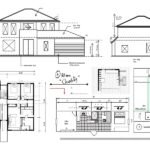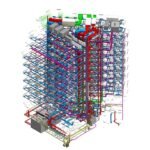
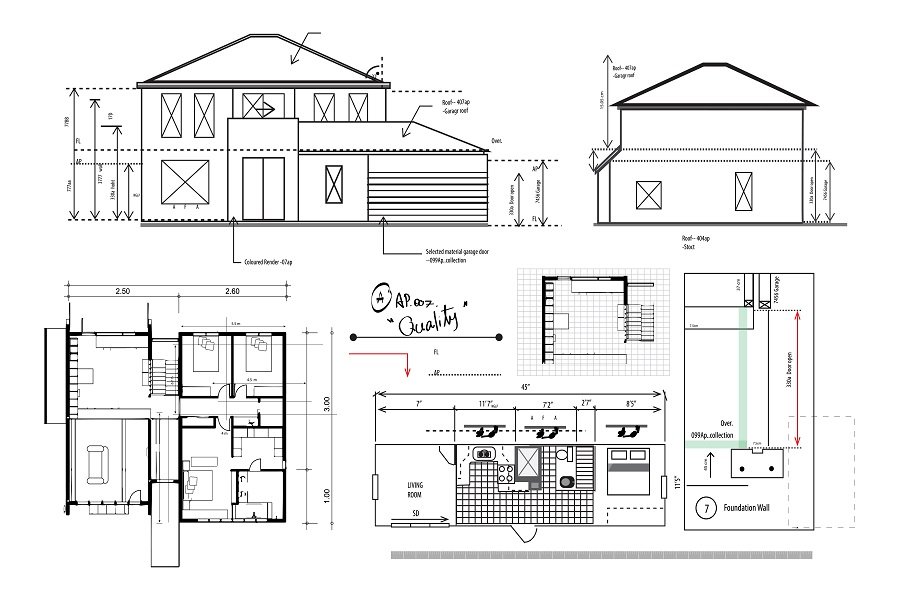
In the construction and engineering industry, turning complex designs into buildable reality starts with one critical document: the shop drawing. Especially in fast‑growing markets like Saudi Arabia, where large mixed‑use towers and commercial complexes are rising in Riyadh and other major cities, shop drawings have become the backbone of off‑site fabrication and on‑site coordination.
What Is a Shop Drawing?
- is a detailed construction‑level drawing prepared by the contractor, subcontractor, or fabricator that shows exactly how a specific component or system will be manufactured, assembled, and installed on site.
- Unlike general design drawings—prepared by architects and design consultants—shop drawings translate design intent into buildable, measurable, and executable details, such as exact dimensions, materials, connections, and installation methods.
- In large‑scale construction projects across Saudi Arabia, including commercial towers, mixed‑use developments, and infrastructure schemes, shop drawings form the technical bridge between the design model and the physical build.
Why Shop Drawings Are Important
Shop drawings are critical because they move the project from concept to execution with minimal ambiguity. Key benefits include:
- Clarity and coordination: They show how each element fits with others, reducing clashes between trades (e.g., MEP vs. structural steel).
- Fabrication accuracy: Manufacturers and workshops rely on shop drawings to cut, bend, and assemble components correctly.
- Quality control: Designers and engineers review shop drawings to ensure compliance with design intent, codes, and standards.
- Risk reduction: Detailed shop drawings help avoid rework, delays, and cost overruns—especially in complex high‑rise projects like The Seven, Costa Marie, Masar, and Al Hammad in Riyadh.
Without accurate shop drawings, even the most advanced BIM models can fail during implementation.
Types of Shop Drawings
Different types of shop drawings support different construction disciplines and fabrication stages. Common types include:
| Type of shop drawing | Typical use case |
|---|---|
| Structural steel shop drawings | Detailed framing, connections, bolted/welded joints for beams, columns, and trusses. |
| Rebar shop drawings | Bar bending schedules, reinforcement cages, and placement details for slabs and columns. |
| MEP shop drawings | Combined mechanical, electrical, and plumbing layouts showing routing, supports, and clearances. |
| Architectural shop drawings | Detailed installations for windows, cladding, partitions, and millwork. |
| Precast / façade shop drawings | Panel layouts, connection details, and tolerances for precast concrete and façade systems. |
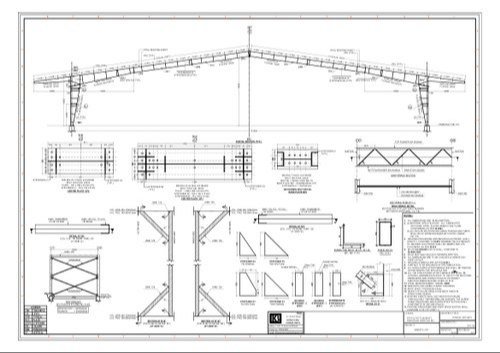
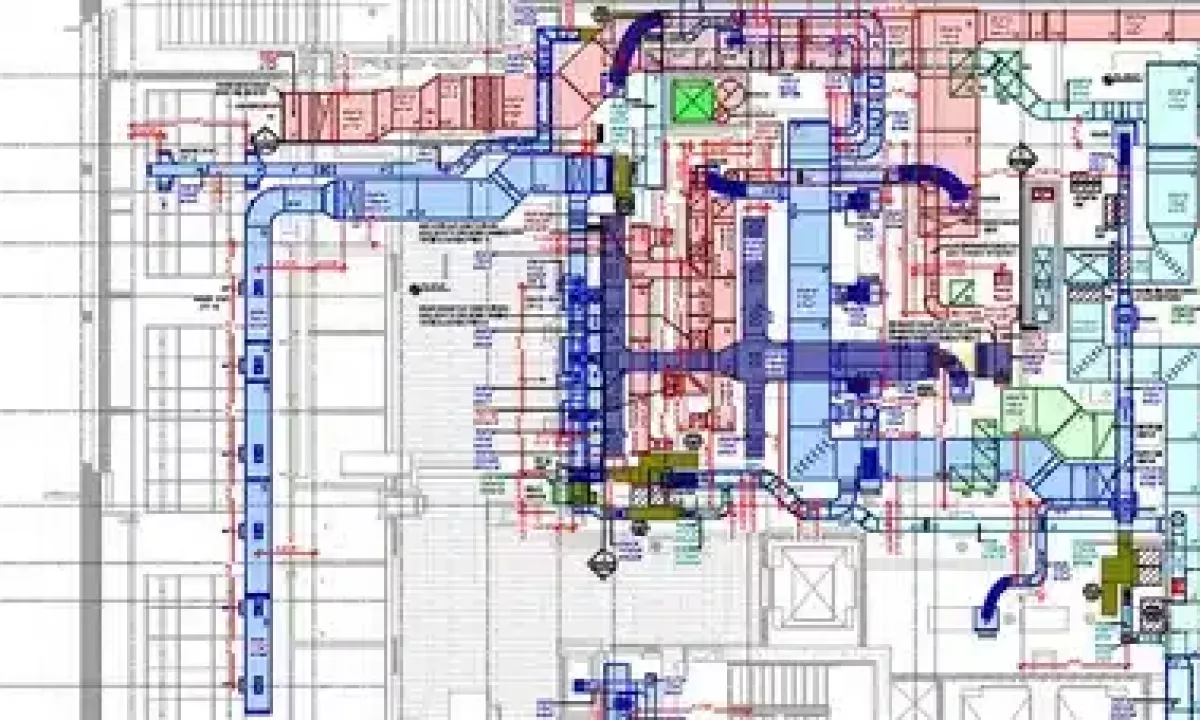
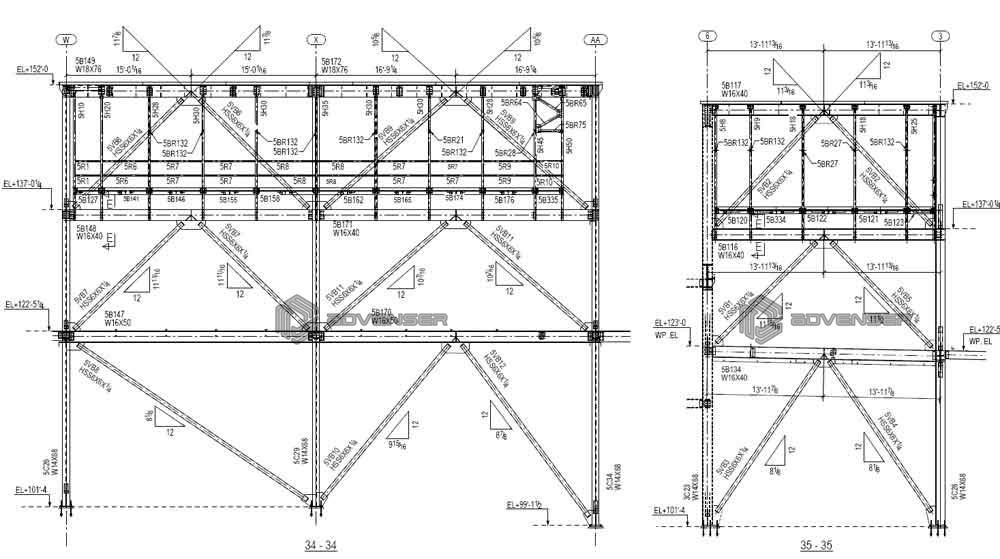
In many Saudi construction projects, MEP and structural‑steel shop drawings receive the most scrutiny due to tight coordination requirements and high‑rise complexity.
The Shop Drawing Process: Step‑by‑Step
Creating and approving shop drawings is an iterative cycle that typically follows these steps:
- Receive design documents: The contractor or subcontractor receives architectural, structural, and MEP design drawings and specifications.
- Prepare shop drawings: Using CAD, Revit, or BIM tools, the team develops detailed fabrication and installation drawings.
- Internal review: The contractor reviews the drawings for accuracy, code compliance, and alignment with the project schedule.
- Submit for approval: Shop drawings are submitted to the architect, engineer, or client as part of the submittal package.
- Feedback and revisions: The design team reviews for clashes, omissions, and deviations; comments are addressed and drawings are updated.
- Final approval: Once the drawings are approved, they become Approved for Construction (AFC) or Issued for Construction (IFC) and fabrication begins.
For large projects in Saudi Arabia, such as complex mixed‑use towers and commercial complexes, this cycle can repeat many times, especially for MEP and façade systems.[Contact Us now ]
Common Challenges in Creating Shop Drawings
Even experienced teams face recurring issues in shop drawing preparation:
- Incomplete design information: Design drawings that lack details or clash with other disciplines force guesswork in shop drawings.
- Coordination gaps: Poor BIM coordination between architectural, structural, and MEP models leads to clashes only discovered during fabrication.
- Rushed approvals: Tight project timelines sometimes push teams to skip proper reviews, increasing the risk of errors on site.
- Unclear standards: Different consultants may apply different drafting standards or layering conventions, complicating shop drawing quality and consistency.
Choosing the Right Shop Drawing Service Provider
Selecting the right shop drawing partner is crucial for large‑scale construction projects. Key factors to consider:
- BIM and CAD expertise: Look for experience with Revit, Navisworks, AutoCAD, and coordination workflows.
- Knowledge of local codes and standards: The provider should understand Saudi building codes, MEP regulations, and common practices in Riyadh‑style projects.
- Track record in large projects: Experience with high‑rises, industrial facilities, or infrastructure helps avoid coordination surprises.
- Turnaround time and reliability: Timely, revision‑resilient shop drawings are essential for keeping procurement and fabrication on schedule.
For engineering firms working on projects similar in scale to The Seven, Costa Marie, Masar, and Al Hammad, a BIM‑driven shop drawing service can become a strategic advantage in the Saudi market.
The Role and Importance of Shop Drawings in Construction
Shop drawings are not just technical documents; they are executable instructions that bridge design and construction. Their role includes:
- Translating design intent into practical, buildable details.
- Ensuring coordination between fabricators, site teams, and design consultants.
- Supporting procurement and logistics, as shop drawings define exact quantities, materials, and delivery sequences.
In Saudi Arabia, where mega‑projects and mixed‑use towers like The Seven, Costa Marie, Masar, and Al Hammad are common, precise shop drawings are a key enabler of timely execution and cost control.
The Technical Shop Drawing Approval Cycle
The shop drawing approval cycle is a formal process that ensures each drawing meets the required standards before fabrication.
A simplified cycle:
- Shop drawing preparation by the contractor or shop drawing service provider.
- Internal QA/QC review within the contractor’s team.
- Submission to design team (architect, structural, and MEP consultants).
- Design review and comments, including clashes, missing details, or code issues.
- Revisions and resubmission will be necessary until all points are resolved.
- Final approval and stamping as AFC / IFC, clearing the path for fabrication and installation.
Projects in Saudi Arabia, especially complex MEP‑heavy towers and mixed‑use developments such as The Seven, Costa Marie, Masar, and Al Hammad, often require multiple review loops to ensure clash‑free installation.
For projects that rely heavily on BIM‑driven workflows like The Seven, Costa Marie, Masar, and Al Hammad, a structured BIM documentation service ensures that all shop drawings, models, and technical records are aligned, version‑controlled, and ready for construction and handover.
Learn how our BIM documentation service can streamline your project information and improve coordination across design, fabrication, and construction.
How Design Drawings Are Translated into Shop Drawings
The transition from design drawings to shop drawings follows a clear workflow:
- Design drawings provide overall layout, dimensions, and performance requirements.
- The contractor or detailer uses these to generate fabrication‑level details, such as bolt patterns, weld types, reinforcement cages, and connection plates.
- BIM models are often used to automatically extract sections, elevations, and schedules, which are then refined into shop drawings.
In practice, this means that every beam, duct, pipe, and façade panel in projects such as The Seven, Costa Marie, Masar, and Al Hammad must be checked against the design model before being sent to the workshop—especially in Riyadh‑scale developments where tolerances and coordination are strictly enforced.
Why Choose AMC Engineering
When it comes to shop drawings, BIM documentation, and construction coordination, AMC Engineering brings a project‑first mindset built on real‑world experience in the Saudi construction market. From high‑rise towers to mixed‑use complexes like The Seven, Costa Marie, Masar, and Al Hammad in Riyadh, our team has consistently delivered accurate, conflict‑free shop drawings that keep fabrication and installation on schedule.
Our strengths include:
- BIM‑driven workflows: We integrate Revit, Navisworks, and clash detection into every shop drawing cycle, ensuring that MEP, structural, and façade elements are coordinated before they reach the site.
- Deep Saudi‑market experience: We understand the typical requirements of consultants and contractors in Riyadh and other major Saudi cities, including local standards, submission formats, and approval cycles.
- High‑quality documentation: Our BIM documentation service keeps models, shop drawings, and technical records organized, version‑controlled, and aligned with design intent from tender to handover.
- Fast, reliable support: Whether you need shop drawings, clash detection, laser scanning, or BIM‑based BOQ, we focus on clear communication, timely revisions, and predictable project performance.
If you’re working on large‑scale projects where accuracy, coordination, and compliance matter, partnering with AMC Engineering means fewer clashes, fewer surprises, and a smoother path from design to construction in Saudi Arabia.
Conclusion
Shop drawings are the missing link between design and construction, turning complex architectural and engineering models into clear, executable instructions. In the Saudi construction market, where large mixed‑use towers and commercial complexes like The Seven, Costa Marie, Masar, and Al Hammad are common, well‑prepared shop drawings help contractors avoid clashes, reduce rework, and stay on schedule.
FAQs
What is a shop drawing in construction?
A shop drawing is a detailed construction drawing prepared by the contractor or fabricator that shows how a specific component or system will be manufactured, assembled, and installed on site, based on the design drawings.
What is the difference between design drawings and shop drawings?
Design drawings show the overall concept, layout, and performance requirements created by architects and consultants, while shop drawings show precise fabrication and installation details prepared by the contractor.
Who prepares shop drawings?
Shop drawings are typically prepared by the contractor, subcontractor, or specialized detailing firm, often using CAD or BIM software such as Revit and AutoCAD.
What are GFC / IFC / AFC drawings?
- GFC (Good for Construction): Preliminary detailed drawings used to check construction feasibility.
- IFC (Issued for Construction): Drawings issued to site once initially coordinated.
- AFC (Approved for Construction): Fully approved drawings after design‑team review.
How many revisions are normal for shop drawings?
For complex projects, multiple revision cycles are normal, especially for MEP, façade, and structural steel shop drawings in high‑rise or industrial projects.