
80% of costly design changes trace back to poor schematic design. This pivotal phase transforms client dreams into measurable floor plans and site layouts—testing feasibility before millions are committed. Master the process, team roles, and deliverables that prevent rework.
What is Schematic Design?
Schematic design is the third phase of the architectural design process (after pre-design and programming), where architects translate approved concepts into preliminary drawings showing building form, spatial relationships, scale, and basic circulation. This phase establishes the project’s physical framework — floor plans, massing, site relationships, and preliminary structural systems — without detailed specifications or construction-level precision.
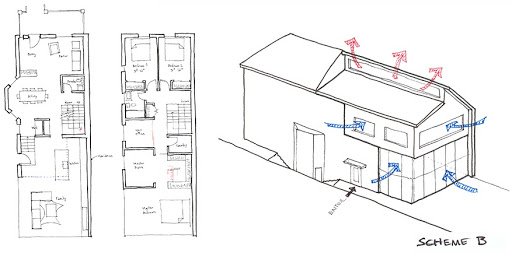
The focus remains conceptual but grounded: testing multiple layout options against client program requirements, zoning codes, budget parameters, and site conditions. Architects typically present 2-3 design alternatives, each illustrating different approaches to spatial organization, daylighting strategies, and building massing. Client feedback at this stage shapes the single direction that advances to design development.
Who’s Involved in Schematic Design?
The schematic design team includes core disciplines working collaboratively:
- Lead Architect/Project Architect: Develops design concepts, produces drawings, and presents options to client
- Client/Project Owner: Provides feedback on functionality, aesthetics, and budget alignment
- Structural Engineer: Advises on preliminary load paths, column grids, and feasibility of major spans
- MEP Engineer: Confirms basic system routings and vertical shaft locations
- Civil Engineer: Reviews site access, grading concepts, and stormwater management integration
- Interior Designer: Coordinates early spatial planning with furniture layouts and adjacency requirements
- Landscape Architect: Integrates site design with building placement and outdoor spaces
- Cost Estimator: Provides preliminary cost checks against each design scheme
Regular coordination meetings ensure all consultants align on the selected schematic direction before advancing.
What Comes After Schematic Design?
Design Development (DD) immediately follows schematic design approval. This phase refines the approved schematic into detailed plans with:
- Material selections and specifications
- Window/door schedules and sizes
- Detailed structural systems (floor/ roof framing, foundation concepts)
- MEP system layouts and equipment sizing
- Outline specifications
- Updated cost estimates (±10-15% accuracy)
DD builds directly on schematic design drawings, adding technical depth while maintaining the approved spatial organization and massing.
Recap: All the Design Phases You Should Know
Standard AIA architectural phases progress sequentially:
- Pre-Design/Programming: Site analysis, client interviews, space requirements, budget establishment
- Concept Design: Big-picture vision, massing studies, style direction (sometimes merged with early schematic)
- Schematic Design (SD): Preliminary plans, elevations, sections showing spatial relationships (±20% cost accuracy)
- Design Development (DD): Detailed plans, systems coordination, material selections (±10-15% cost)
- Construction Documents (CD): Permit-ready drawings, full specifications (±3-5% cost)
- Bidding/Negotiation: Contractor pricing and selection
- Construction Administration (CA): Site visits, submittal reviews, RFI responses, punch lists
What is the Difference Between Concept Design and Schematic Design?
| Aspect | Concept Design | Schematic Design |
| Focus | Vision, style, big-picture massing | Spatial organization, relationships, scale |
| Deliverables | Sketches, diagrams, 3D massing studies | Floor plans, roof plans, elevations, site plan |
| Detail Level | Highly conceptual, artistic | Preliminary but measurable dimensions |
| Engineering Input | Minimal | Preliminary structural/MEP feasibility |
| Cost Accuracy | Order of magnitude (±50%) | Schematic (±20%) |
| Client Decisions | Aesthetic direction, basic approach | Building layout, room adjacencies |
Concept design explores “what if” scenarios; schematic design tests “how it works” in physical space.
What is Included in Schematic Design Documents?
Core schematic design deliverables include:
- Site Plan: Building location, access points, parking layout, basic grading
- Floor Plans: Room layouts, dimensions, circulation paths, major openings
- Roof Plan: Drainage concepts, mechanical equipment locations
- Exterior Elevations: Building massing, window patterns, materials concepts
- Building Sections: Vertical relationships, floor-to-floor heights, ceiling configurations
- Preliminary 3D Views: Massing studies, exterior renderings
- Code/Space Summary: Verification against zoning, egress, and program requirements
- Preliminary Cost Estimate: Order-of-magnitude pricing for client approval
3 Examples of Schematic Design Drawings
- Office Building Floor Plan: Shows open workstations, conference rooms, core locations (stairs, elevators, restrooms), and major mechanical rooms with approximate dimensions
- Residential Site Plan: Building footprint on lot, setbacks compliance, driveway approach, landscaping zones
- School Building Section: Floor-to-floor heights, clerestory daylighting, classroom ceiling geometries, roof structure concepts
Who is involved in the schematic design?
Primary Team:
- Architect (design lead)
- Client representatives
- Key engineering consultants (structural, MEP, civil)
Support Roles:
- Interior designer
- Landscape architect
- Cost consultant
- Local authority reviewer (early code input)
How to Track Your Time and Fees in Schematic Design Phase
Time Tracking:
- Log hours by task: programming review (10%), design iteration (60%), coordination meetings (15%), documentation (15%)
- Use architecture-specific tools like Monograph, Deltek Ajera, or BQE Core
- Track against phase budget (typically 15-20% of architectural fee)
Fee Management:
- Fixed fee per phase or percentage complete
- Milestone billing: 25% at SD start, 50% at 1st presentation, 25% at approval
- Change order tracking for scope growth (additional schemes, accelerated schedule)
Why is Intelligent Schematic Design Important?
Intelligent schematic design prevents costly downstream rework by:
- Testing spatial feasibility early against site constraints and program
- Aligning engineering systems with architectural intent
- Validating preliminary budgets before design locks in
- Establishing coordination baseline for all disciplines
- Building client confidence through visual, measurable proposals
Pro Tip: At AMC Engineering we provideProfessional BIM Modeling creates accurate schematic designs ready for coordination
discover our BIM Modeling Services to transform concepts into buildable 3D models from day one.
Mistakes in Schematic Design and Ways to Avoid Them
Common Errors:
- Ignoring site constraints: Zoning setbacks, solar orientation, access
Fix: Comprehensive site analysis before design begins - Overlooking adjacencies: Conference rooms next to quiet offices
Fix: Bubble diagrams and adjacency matrices - Premature detailing: Finalizing window sizes before layout approval
Fix: Focus on relationships first, details later - Skipping cost checks: Proposing expensive structural systems
Fix: Early estimator involvement
Differences Between Schematics and Layouts
| Schematics | Layouts |
| Conceptual, relational drawings | Detailed dimensioned plans |
| Multiple alternatives explored | Single approved solution |
| Preliminary systems shown | Engineered systems detailed |
| Client presentation focus | Contractor coordination focus |
Conclusion
Schematic design establishes the physical framework guiding every subsequent project decision. By testing multiple spatial organizations against real-world constraints, this phase minimizes risk while maximizing design flexibility. Architects who invest time in robust schematic design—complete with engineering coordination, cost validation, and client alignment— deliver projects that meet functional, aesthetic, and financial goals from day one.